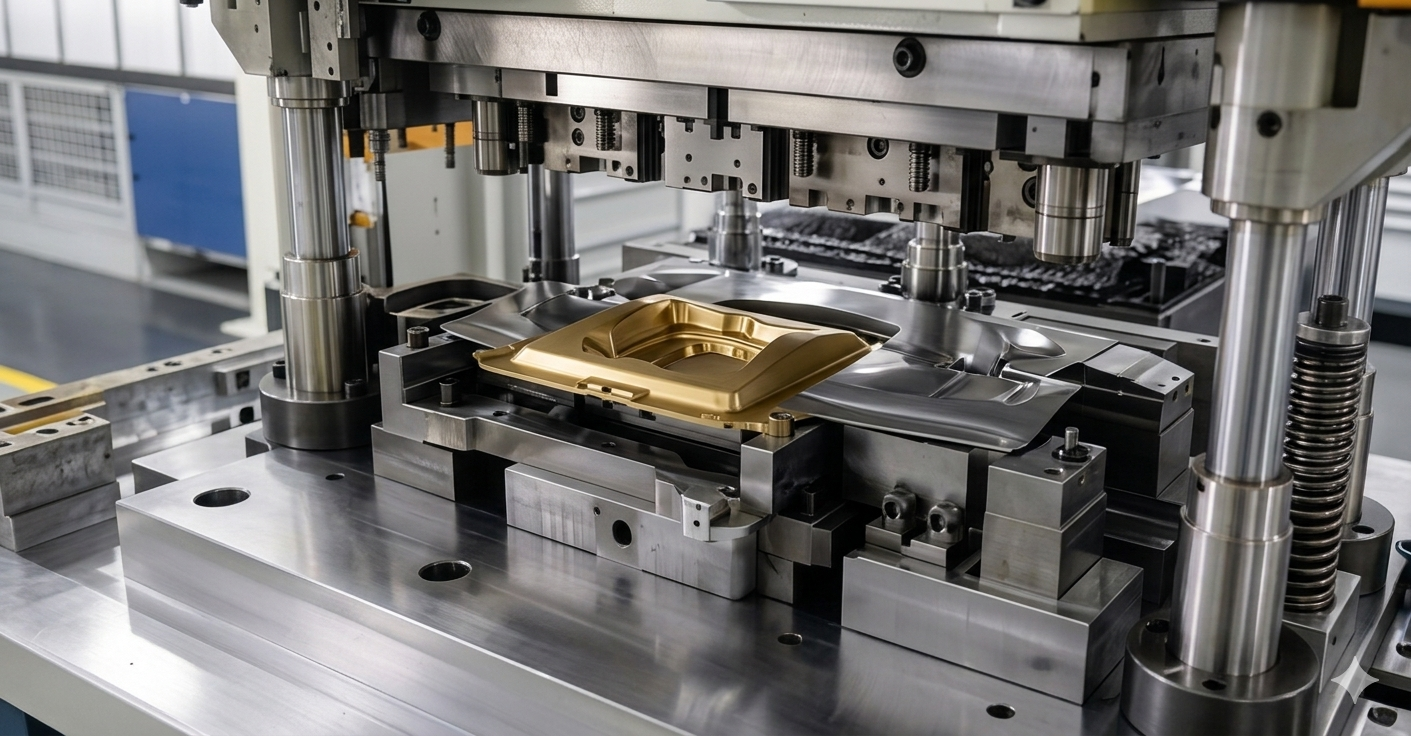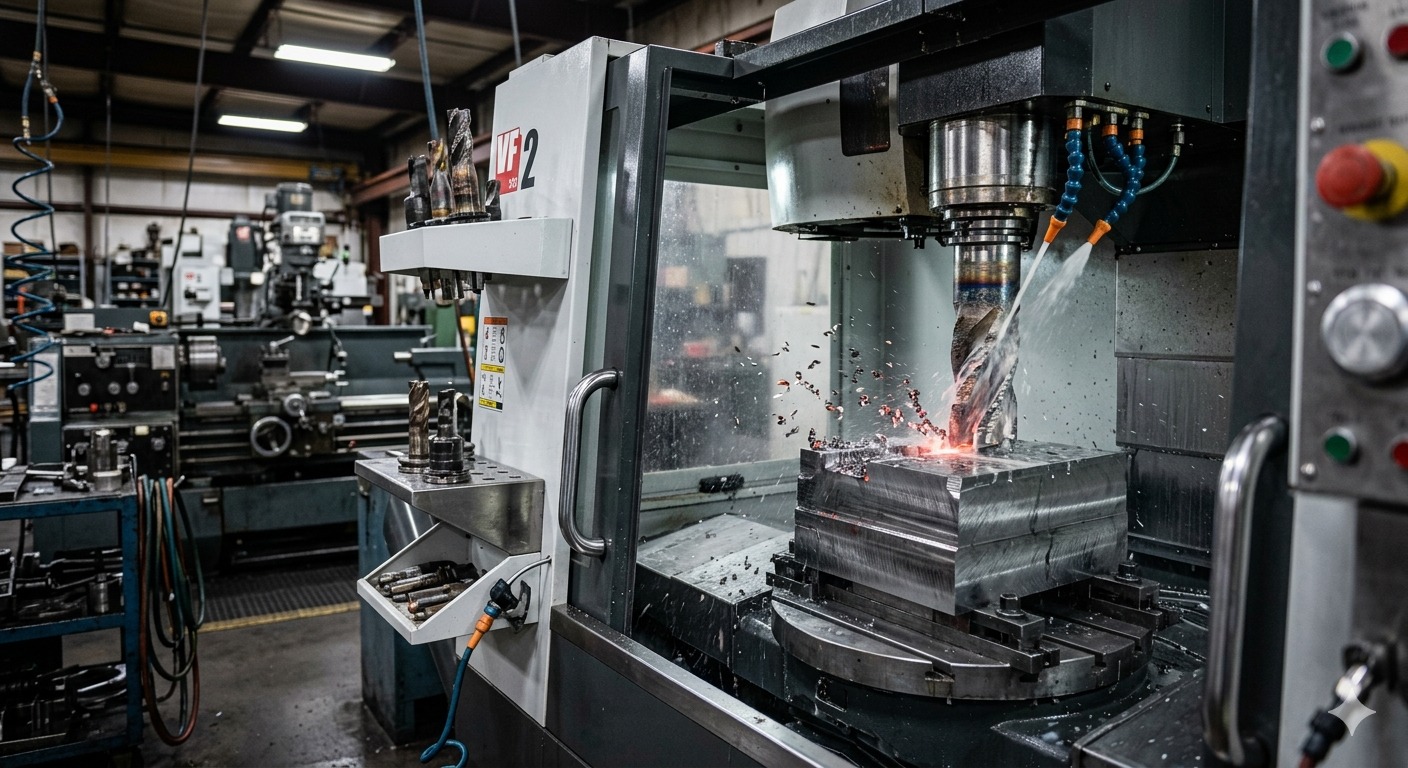
One of the most important factors determining production success in progressive die systems is strip layout planning. No matter how successful a die's design is, if a configuration is not created that enables material to advance correctly between stations, reaching efficiency and quality targets becomes difficult. For this reason, strip layout design must be addressed in detail from the early stages of die development.
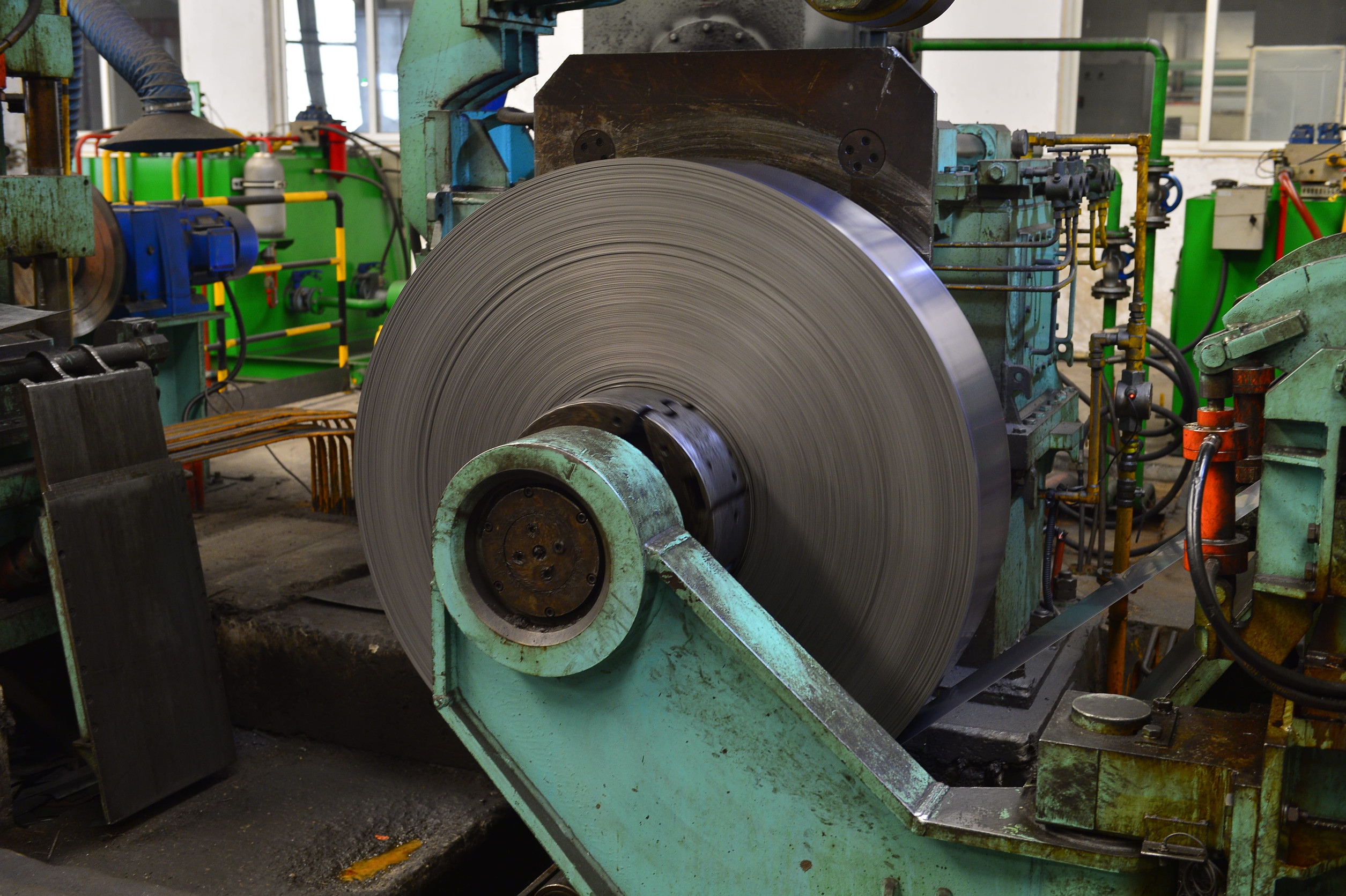
In progressive dies, material advances through stations step by step, transforming into the final part. The strip layout design created in this process, along with carrying the material, affects the performance of the entire production system.
When preparing strip placement, the part's geometry, sheet metal to be used, number of stations, and production targets are evaluated together. The aim here is not merely to produce the part; it is to accomplish production in the most efficient manner possible. For successful progressive die design, the strip arrangement must be balanced. When pilot hole positions, carrier bridge structures, and advancement steps are not correctly determined, various problems can emerge during production.
Strip planning also directly affects production costs. Increasing the material utilization rate, optimizing cycle times, and balancing die loads are largely shaped during the design phase. For this reason, experienced engineering teams verify the strip layout through detailed analyses before beginning mold production, aiming to eliminate potential risks at the design stage.
Correct strip placement planning naturally facilitates production but its importance is not limited to this. Proper planning provides important contributions in terms of quality, cost, and equipment lifespan.
Minimum Material Scrap
In sheet metal manufacturing, one of the largest cost items is raw material. For this reason, positioning parts on the strip as efficiently as possible is of great importance. Through well-planned design, material scrap can be reduced, and more products can be obtained from the same amount of raw material.
Especially in high-volume production, even small optimizations can create significant cost advantages by year-end. Part orientation, station layout, and carrier connection points must be carefully evaluated in this process.
Maximum Production Speed
One of the most important advantages of progressive dies is their suitability for high-volume production. However, for this advantage to materialize, material flow must be unobstructed.
Thanks to properly planned strip placement, advancement errors are reduced and production becomes more stable. This directly contributes to achieving maximum production speed. Regular material flow means less stoppage time and reduced operator intervention. As a result, production line efficiency increases.
Extended Die Lifespan
It is known that errors in strip layout negatively affect production quality. What is less well-known is that these errors also cause die elements to work under excessive load. Designs that provide balanced load distribution and control material movement positively affect die lifespan.
Preventing unnecessary strain on die elements reduces maintenance needs while helping to lower operating costs in the long term. For this reason, many manufacturers consider strip planning as a die lifespan extension strategy.
|
Design Element |
Effect |
Result |
|---|---|---|
|
Strip placement |
Reduces scrap |
Lower cost |
|
Station plan |
Accelerates flow |
Higher production |
|
Carrier bridge |
Provides stability |
Fewer errors |
Some mistakes made during strip layout preparation can turn into chronic problems after production begins. Therefore, risks should be identified at the design stage. We recommend examining common mistakes and their solutions.
Mistake: Strip buckling problems resulting from insufficient carrier bridges left on the strip.
Solution: Carrier areas suited to part geometry should be created and connections should be designed to maintain material rigidity during advancement.
Mistake: Pilot misses occurring due to incorrect positioning of pilot holes.
Solution: Pilot points should be determined based on advancement direction and station loads, with tolerance analyses performed during design.
Mistake: Material jamming occurring due to insufficient clearance areas.
Solution: Scrap discharge channels and clearance areas should be sized according to production tempo.
Mistake: Parts positioned with excessive spacing on the strip.
Solution: Part placements should be optimized to increase material utilization rate and reduce unnecessary gaps.
Mistake: Irregular material advancement due to incorrectly determined strip width.
Solution: Strip width should be determined considering material tolerances and part dimensions, creating sufficient carrying area.
Mistake: Ignoring material properties.
Solution: The strength of the sheet to be used, its springback behavior, and strip thickness should be analyzed at the beginning of the design process.
Mistake: Unbalanced load distribution between stations.
Solution: Cutting and forming operations should be distributed evenly across stations.
Mistake: Disregarding production quantity.
Solution: Maintenance, durability, and cycle times should be calculated in accordance with series production targets, adopting the correct design approach.
As Kahraman Kalıp, we do not view strip layout planning merely as a positioning exercise. For us, this process is one of the most critical engineering phases that determines the die's performance on the production floor.
In each project, we evaluate part geometry, material properties, production quantities, and the press system to be used together. Thus, we develop dies that not only work but can sustain efficient production for many years.
When creating the strip design, we focus on increasing material utilization rate, balancing station loads, and eliminating potential production problems at the project stage. Through this approach, we help our customers achieve higher efficiency and lower operating costs in their production processes.
If you are planning a new progressive die investment or want to reduce problems experienced in your current production processes, we can jointly evaluate your project with our engineering-focused solutions. Results that make a difference on the production floor begin with a properly designed strip layout.
Why is strip layout design important?
It directly affects production speed, material utilization, and die lifespan.
What results from incorrect strip design?
Material jamming, strip buckling, and high scrap rates occur.
How should strip layout be in progressive dies?
It should be balanced, minimum-scrap, and suited to station advancement.
Who Is This Article Useful For?
Highlights
References