One of the most encountered problems in metal part manufacturing is burr formation from metal materials. These unwanted protrusions remaining on the surface after production both reduce product quality and cause serious problems in assembly, aesthetics, and durability. Especially in series production, burr problems cause cost and time loss while negatively affecting customer satisfaction. For this reason, utilizing burr-free cutting techniques in the production process is of great importance in achieving proper die design and burr control. You can evaluate the causes of burr formation, how to prevent it, and how to achieve high quality through professional die solutions through Kahraman Kalıp's expertise in metal part manufacturing.
A sustainable quality approach is critical in preventing burr formation. Binding production processes to certain standards ensures that the same quality level is maintained in every batch. At this point, active use of quality control and measurement systems is of great importance. Especially in metal part manufacturing processes requiring tight tolerance precision, proceeding without regular measurement opens the door to serious errors.
Digital automation systems and production technologies offer effective solutions in reducing burr formation. Through sensor-supported machines, cutting errors are instantly detected and timely intervention can be made. This way, both high precision standards are maintained in production and the scrap rate is greatly reduced.
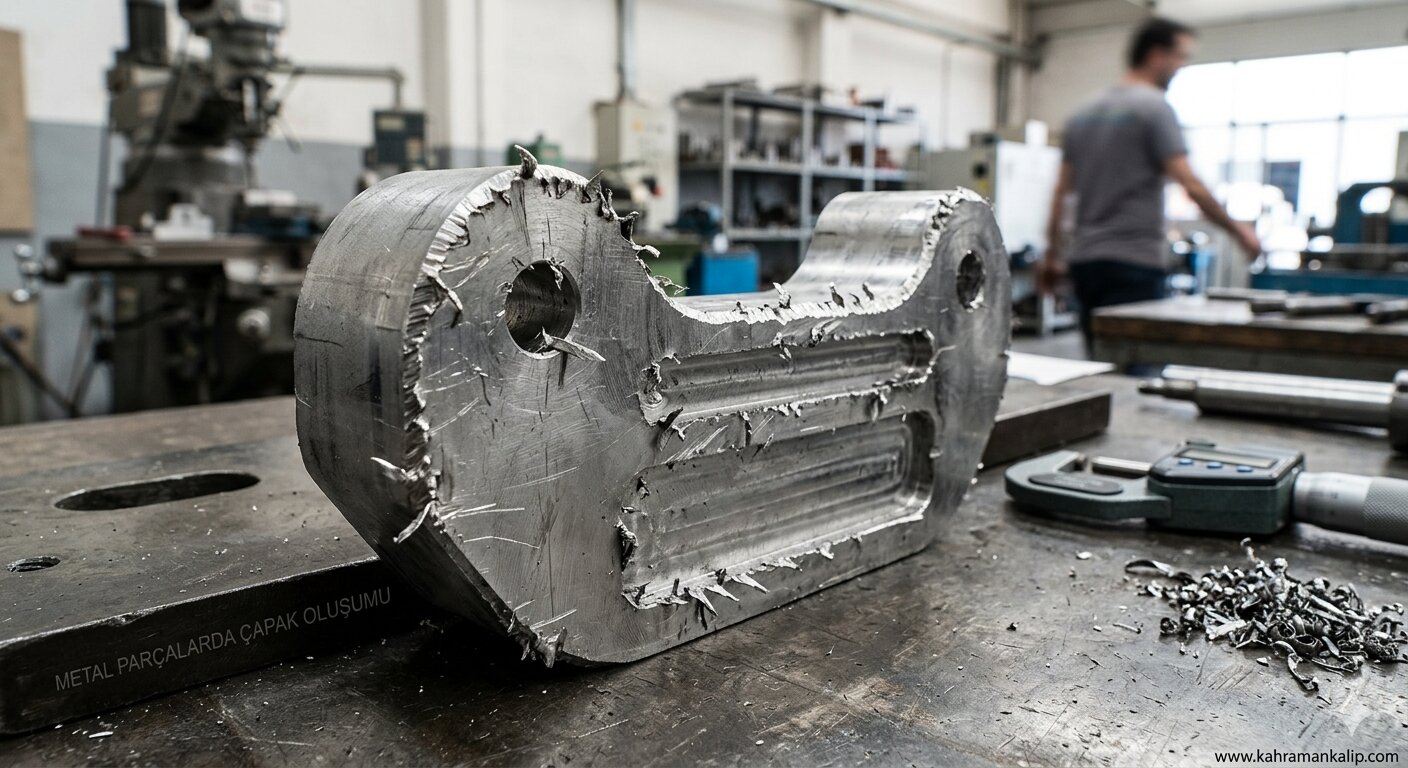
During metal processing when drilling, cutting, or shaping operations are applied, small protrusions can form on the surface of the material. This is generally in direct proportion to reduced cutting quality. Several factors underlie the failure to obtain a smooth metal surface.
When metal material is cut, ideally the cutting tool should cleanly separate the material. However, when material selection, tool condition, and process conditions are not correct, the metal doesn't fully break and burr forms on the edges.
Cutting Tool Wear Over Time
Cutting tools actively used in production processes wear over time. This wear naturally affects cutting performance. A tool that has lost its sharpness tears the metal rather than cutting it properly. This condition makes burr formation on metal inevitable.
The use of worn tools not only increases burr formation but also places much higher loads on the machine and increases energy consumption. For this reason, regular tool change and inspection is considered a critical step for burr-free production. Additionally, incorrect tool selection can also lead to similar problems. When appropriate cutting edges are not used for each metal material type, surface quality decreases and unwanted roughness is inevitable.
Incorrect Material and Thickness Selection
The thickness and type of material used in metal part manufacturing directly affect cutting quality. Metal materials that are not suitable in hardness or are too thick may not separate cleanly during the cutting operation.
To give an example; when very thick material is processed using fine cutting tools, deformation at the cutting line is inevitable. This deformation triggers burr formation. Similarly, low-quality materials do not have a homogeneous structure, so unexpected roughness appears during the cutting process. Correct material selection is extremely important not only for durability but also for production efficiency and surface quality. At this point, burr control and die design must be considered together.
Heat and Friction Generated During Cutting
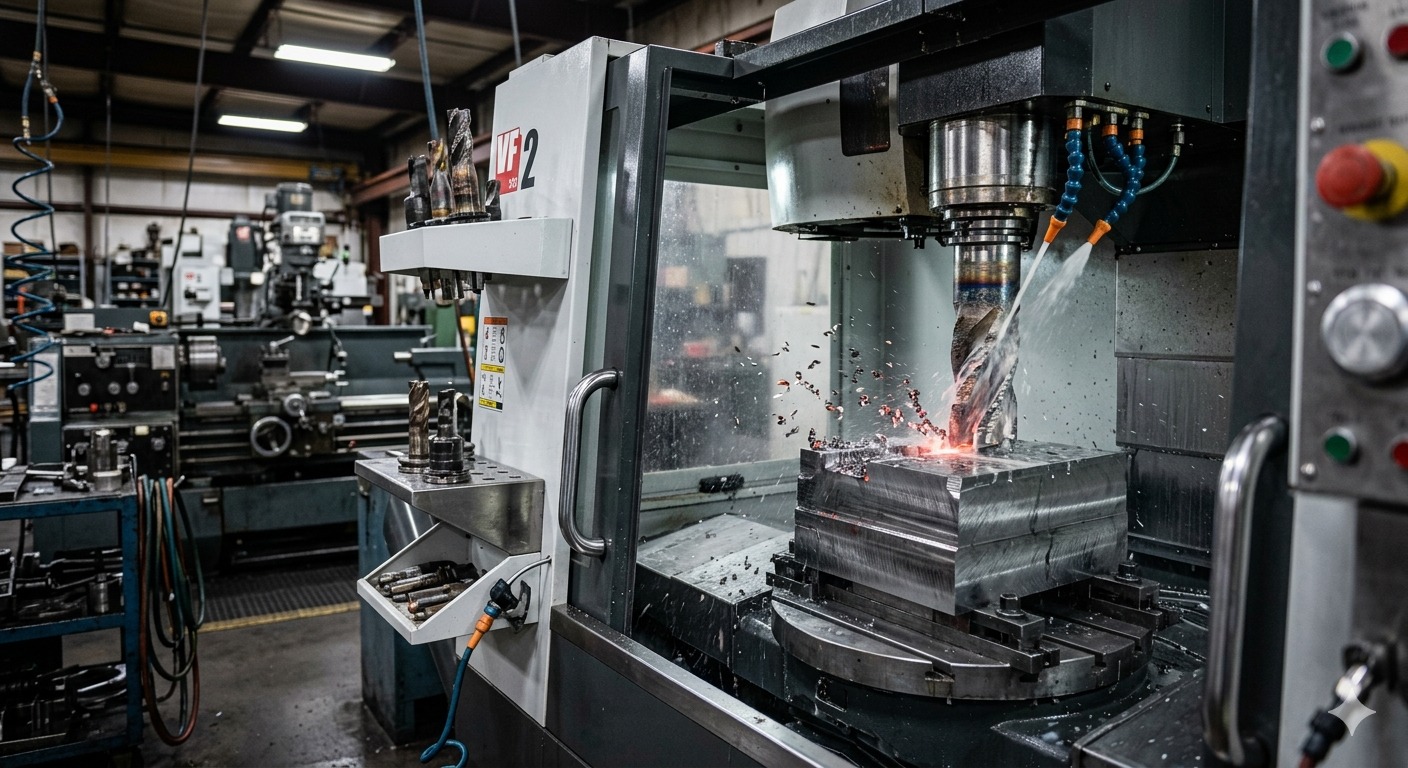
Heat and friction that come to the fore during the cutting process are considered one of the most important causes of burr formation. High temperature temporarily softens the structure of metal material and can cause uncontrolled deformation during cutting. Increased friction reduces cutting tool performance and cutting quality is negatively affected. This condition becomes much more pronounced in cutting operations performed at high speeds.
Insufficient use of cooling fluids or choosing incorrect cutting parameters causes this problem to grow further. Therefore, determining correct cutting speeds for the production process and heat control are of great importance.
Die maintenance is one of the most effective methods to prevent burr formation. Dies used in the production process wear over time, surface areas deteriorate, and precision is lost. This causes errors during the cutting operation and consequently burr formation. Through regular die maintenance;
The quality of material used in the die manufacturing process directly affects maintenance requirements. Durable and high-quality dies can naturally maintain stable performance longer. Additionally, die surfaces must be regularly lubricated, cleaned, and inspected. Even minor deformation can cause major problems in series production. Companies producing precision dies manage these processes with great care to ensure quality and continuity in production. Especially in sectors such as white goods, automotive, and defense industry, this is extremely important.
To completely eliminate the burr problem, you need not only the right production process but also the right business partner. At this point, working with a company that performs professional die manufacturing provides significant long-term advantages.
Kahraman Kalıp; when it comes to metal manufacturing, offers businesses the opportunity to produce at the highest quality standards with innovative solutions provided. Burr-free cutting techniques are applied with great care using advanced engineering infrastructure and modern production technology. The advantages our company offers in this regard are as follows:
Kahraman Kalıp analyzes every detail of the production process to eliminate all factors that could cause burr formation. Through this approach, both product quality reaches the highest level and costs decrease. Additionally, by providing support regarding dies, production continuity is guaranteed. This is a very important factor that increases business competitiveness.
Burr formation in metal is a very important problem that should never be overlooked in the production process. Incorrect material selection, cutting tool wear, and high heat are among the main causes of this problem. However, through regular die maintenance, correct material selection, correct production techniques, and professional die solutions, this problem is largely eliminated. Particularly, a proper investment in burr control and die design provides serious conveniences to businesses in the long term.
When you want to achieve lower costs, high quality, and more efficient results in the production process, working with the right die partner is a critical step. With companies like Kahraman Kalıp that are expert in the field, smooth, burr-free, and high-quality standard production is now much more accessible. Kahraman Kalıp; when it comes to die design and burr control, is the only known address for quality.