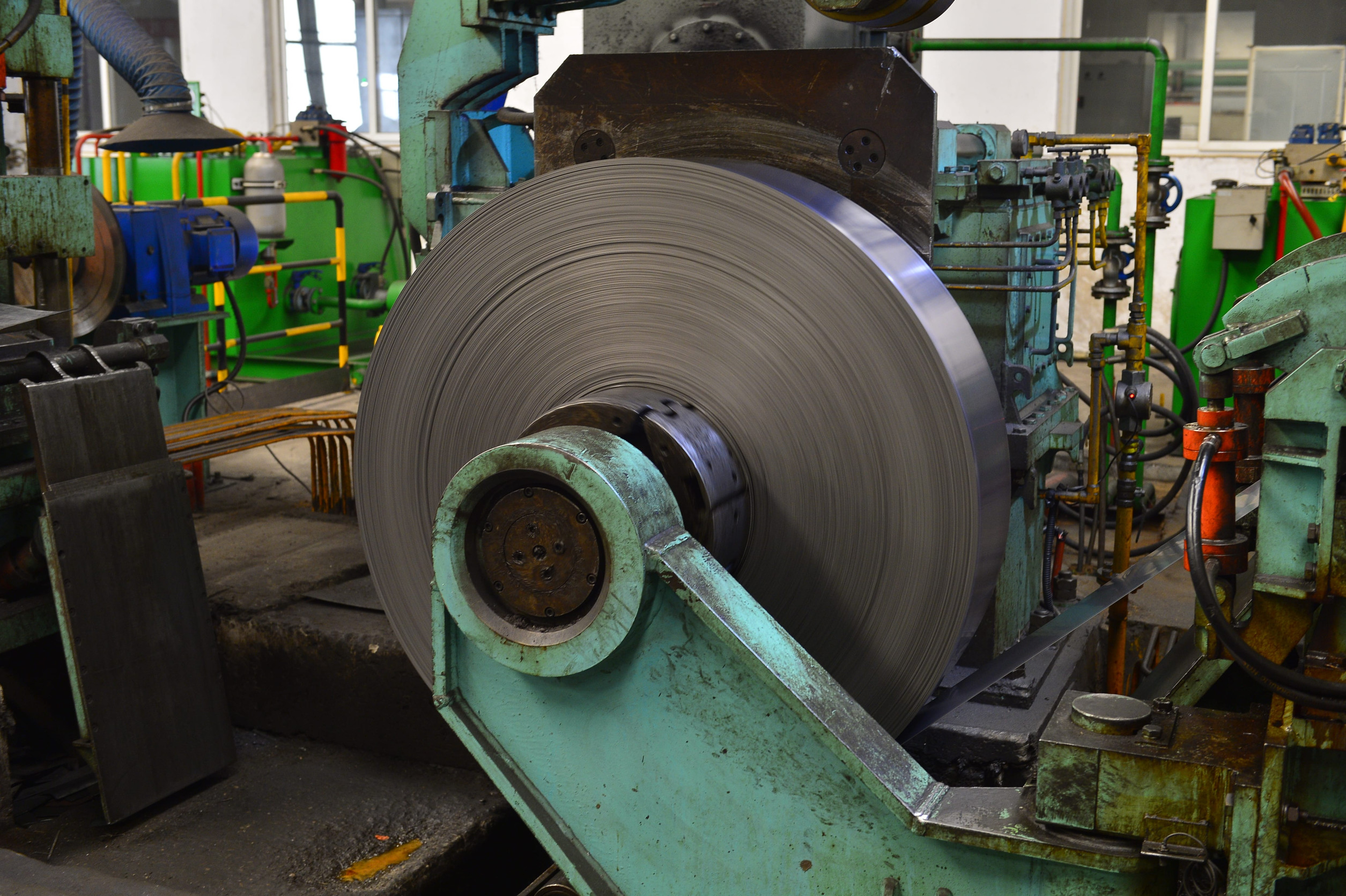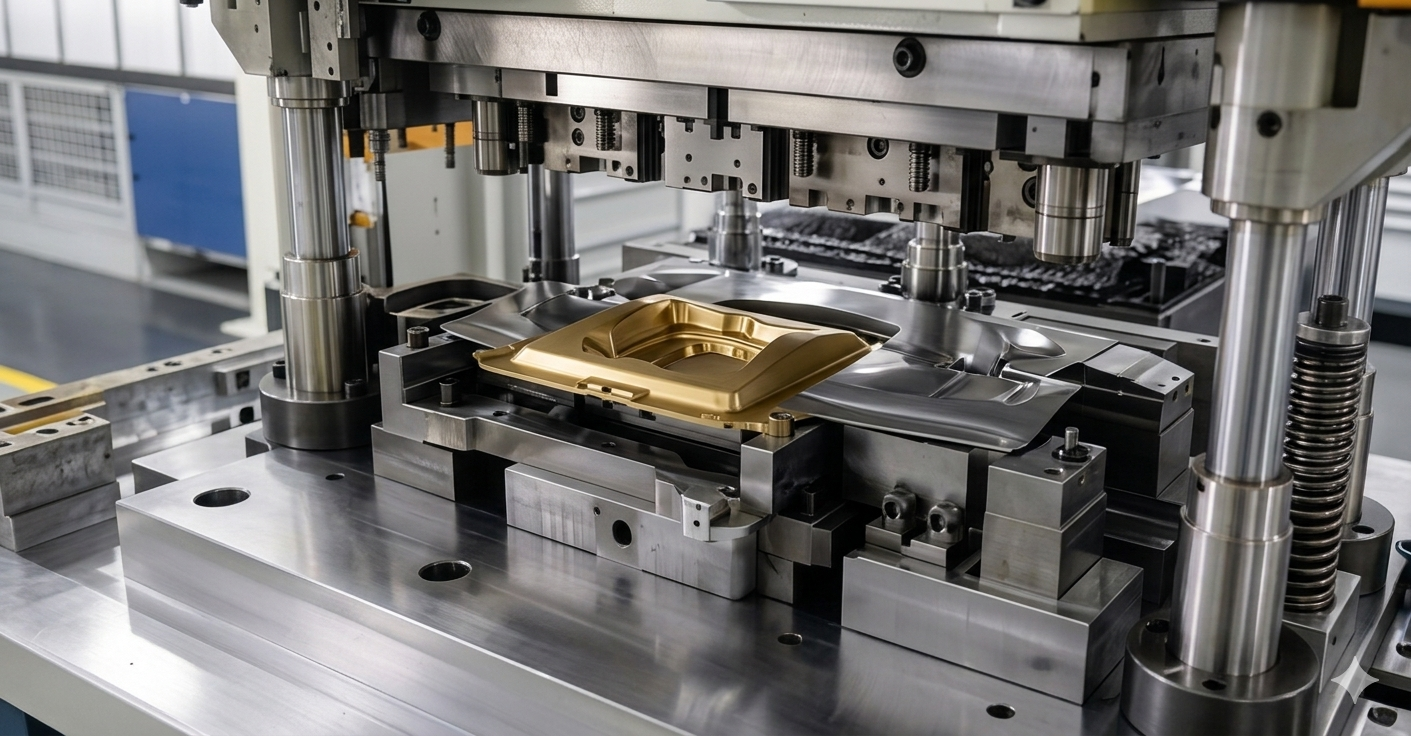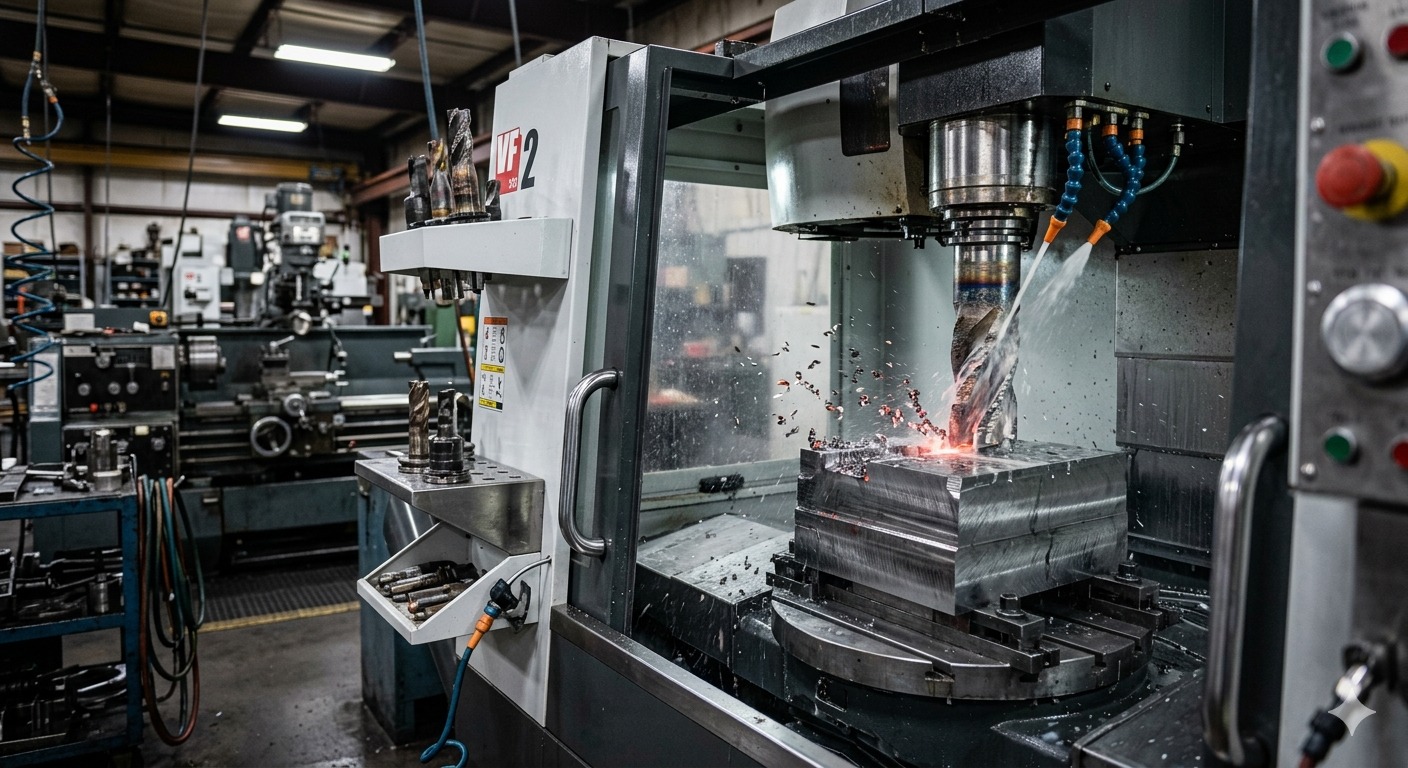
One of the most important factors determining quality in industrial production is the surface quality level of metal parts. Not only dimensional accuracy of a metal part but also its surface structure has a very significant impact on performance. Especially in sectors requiring high precision, surface quality plays a critical role in friction resistance, durability, wear rate, and long-term service.
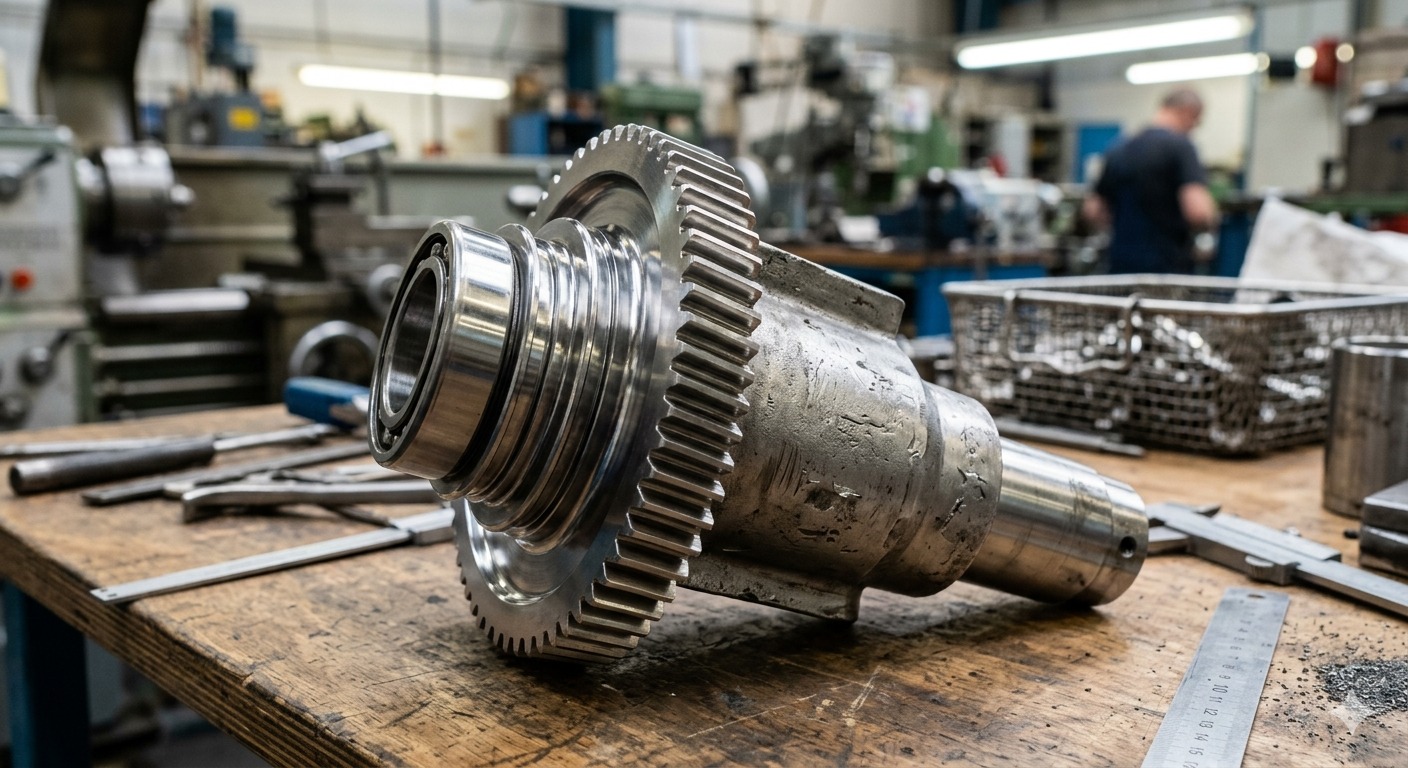
Surface roughness that occurs during production can lead to performance losses and mechanical problems over time. For this reason, many modern manufacturers today focus not only on production speed but also on achieving top-quality surfaces. Especially in defense industry, automotive, white goods, and machine manufacturing, metal part performance is directly related to surface quality.
Surface quality in metal parts is one of the fundamental factors that determines the durability that the part is expected to exhibit under working conditions. The more controlled and smooth the surface is processed, the higher the working performance of the part.
Mechanical Durability and Fatigue Resistance
Surface irregularities and micro cracks that occur during production can cause part fatigue over time. Especially in systems that continuously work under load, there is a direct relationship between durability and surface smoothness. Rough surfaces push stress accumulation to high levels, accelerating crack formation.
Parts with high-quality surfaces distribute loads in a much more balanced manner. This way, part life is extended and sudden fracture risk is reduced to minimum levels. This is especially important in high-strength metal part manufacturing.
Reducing Wear and Friction Rates
Roughness on metal surfaces increases the friction coefficient in moving systems. This increased friction leads to more heat generation, rapid wear, and energy loss. Low-quality surfaces can create serious performance loss in gear, bearing, and slide systems.
Thanks to properly processed surfaces, parts contact each other in a much more controlled manner. This both enables systems to operate more efficiently and reduces wear. Surface quality is especially critical for industrial metal part performance.
Precision and Tolerance Conformance
In precision manufacturing processes, surface quality is a requirement not only aesthetically but also functionally. Low surface quality can cause mismatches and dimensional deviations during assembly. Especially in productions requiring micron-level tolerance precision, surface processing quality is very important.
Precision die manufacturing using precision dies provides controlled tolerance values for metal parts produced. This way, error rates decrease, assembly processes are accelerated, and production efficiency increases.
Metal parts with high-quality surfaces not only have longer service life but also provide reliable working performance. Especially in various machines operating under intense conditions, surface quality provides an important advantage in preventing failures. The advantages provided by quality surface processing are as follows:
Additionally, parts with high surface quality achieve more successful results in painting and coating processes. Especially in sectors requiring aesthetic appearance, smooth surface structure provides a major advantage.
In modern manufacturing approach, as quality standards are raised to higher levels, surface processing technologies continue to develop day by day. Through precision grinding, CNC machining, and advanced die systems, much more controlled surface values can be achieved.
There are various different production factors that are effective on metal part surface quality. The type of material used, tool quality, cutting parameters, and production technology are the most important. Especially the use of low-quality tools can cause surface deterioration. It can create vibration marks on the surface, worn cutting edges, and deformation. In addition, incorrect cutting speeds also negatively affect surface quality.
Die systems used in the production phase are also a very important factor. When correct tolerance calculations are not performed in the precision die manufacturing process, surface problems become inevitable. Additionally, parameters such as press force, cooling system, and processing temperature directly affect surface structure. Material hardness value is also a critical detail. When incorrect processing parameters are used with hard materials, micro crack formation also accelerates. For this reason, the production process must be planned with expert engineering approach.
Kahraman Kalıp; is one of the reliable companies in the metal processing sector through the solutions developed for production processes requiring high precision. At this point, our company provides precision die manufacturing services tailored to various sectors through modern production technologies and expert engineering infrastructure.
Kahraman Kalıp, which always prioritizes quality in the production process, offers rational solutions that elevate surface quality standards in metal parts. Especially in projects requiring high tolerance, through optimized die designs, it contributes to the production of more durable and long-lasting parts.
From defense industry to automotive sector, in the manufacturing of high-strength metal parts used in many areas, our company stands out with high production precision, low error rate, and sustainable quality approach. With correct engineering approach and quality surface processing capability, it provides reliable, efficient, and long-lasting manufacturing solutions for businesses.
Surface quality also has great importance in terms of product safety. Especially in sectors such as medical, aviation, and defense industry, the surface structure of parts actively used directly affects system reliability. Even a small surface error can over time lead to crack progression and serious mechanical failures. For this reason, surface measurements are analyzed in detail in post-production quality control processes.
With advanced measurement technologies, surface roughness values are controlled at the micron level. This way, production errors are detected early so that preventing costly problems becomes possible. Especially for companies engaging in series production, maintaining standard surface quality provides significant convenience.
Additionally, quality surface structure positively affects the thermal processing and coating performance of parts. Smooth surfaces allow coating material to spread homogeneously. This both strengthens corrosion resistance and improves aesthetic appearance. Especially for metal parts working in outdoor conditions, having a quality surface is critical for long-term use.
In today's intensely competitive manufacturing sector, companies focus not only on fast production but also on sustainable quality. For this reason, metal parts with high surface quality provide businesses with both brand reliability and cost advantages. Quality surfaces obtained through correct production technologies mean much lower maintenance costs and higher performance in the long term.
Kahraman Kalıp offers rational solutions tailored to the metal processing sector with a high-precision production approach. Through modern production technologies and expert engineering team, durable, quality, and high-performance metal parts are manufactured. Additionally, with expertise in precision die manufacturing, it develops sustainable and reliable solutions tailored to the needs of various sectors. When it comes to industrial metal part performance, Kahraman Kalıp remains the only address of quality and trust.