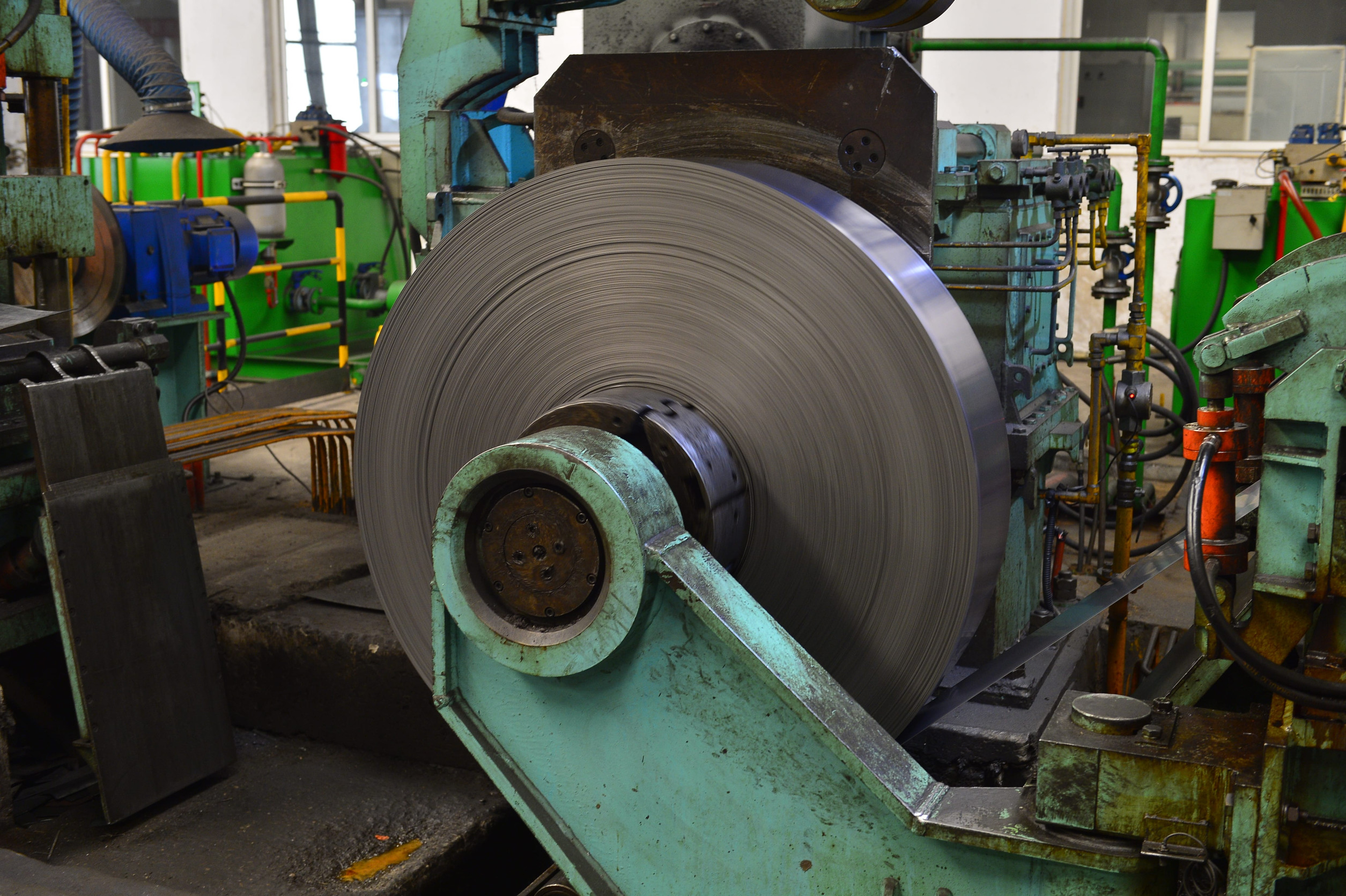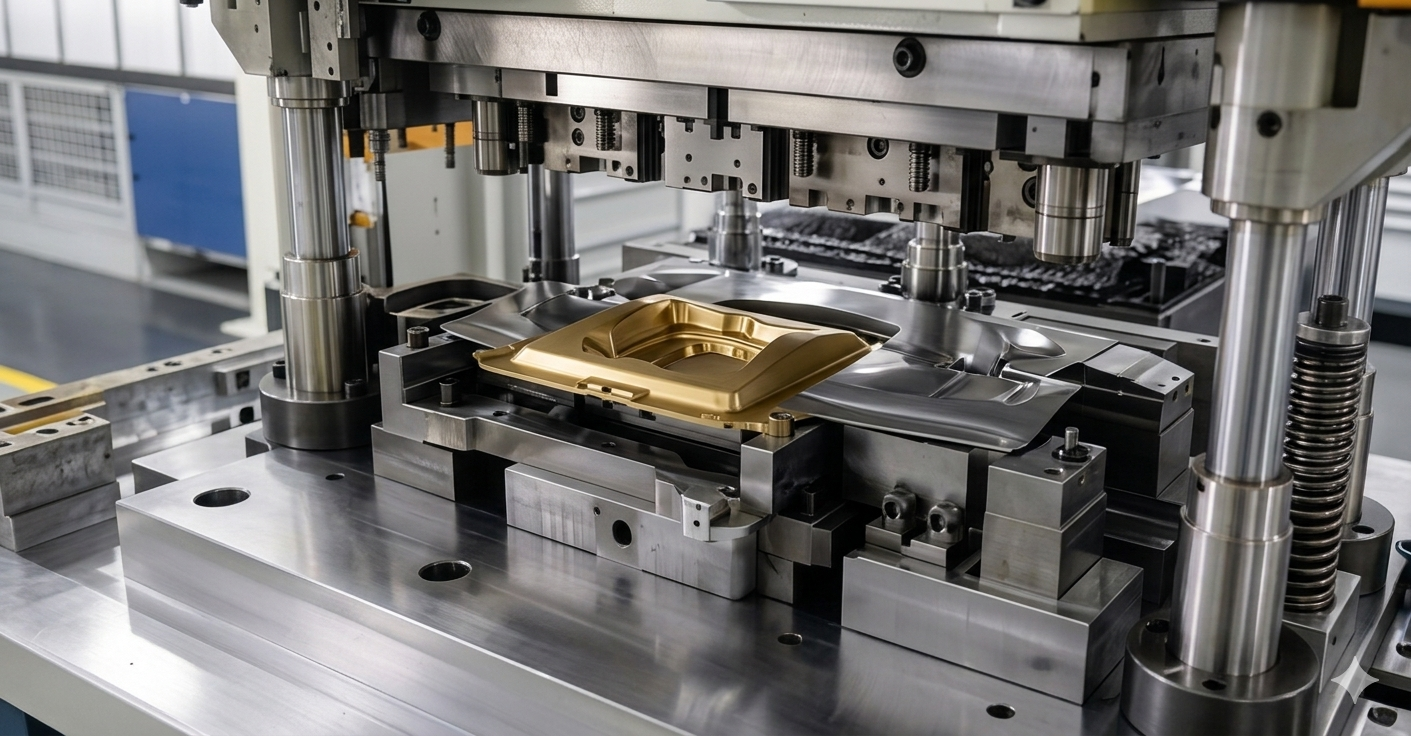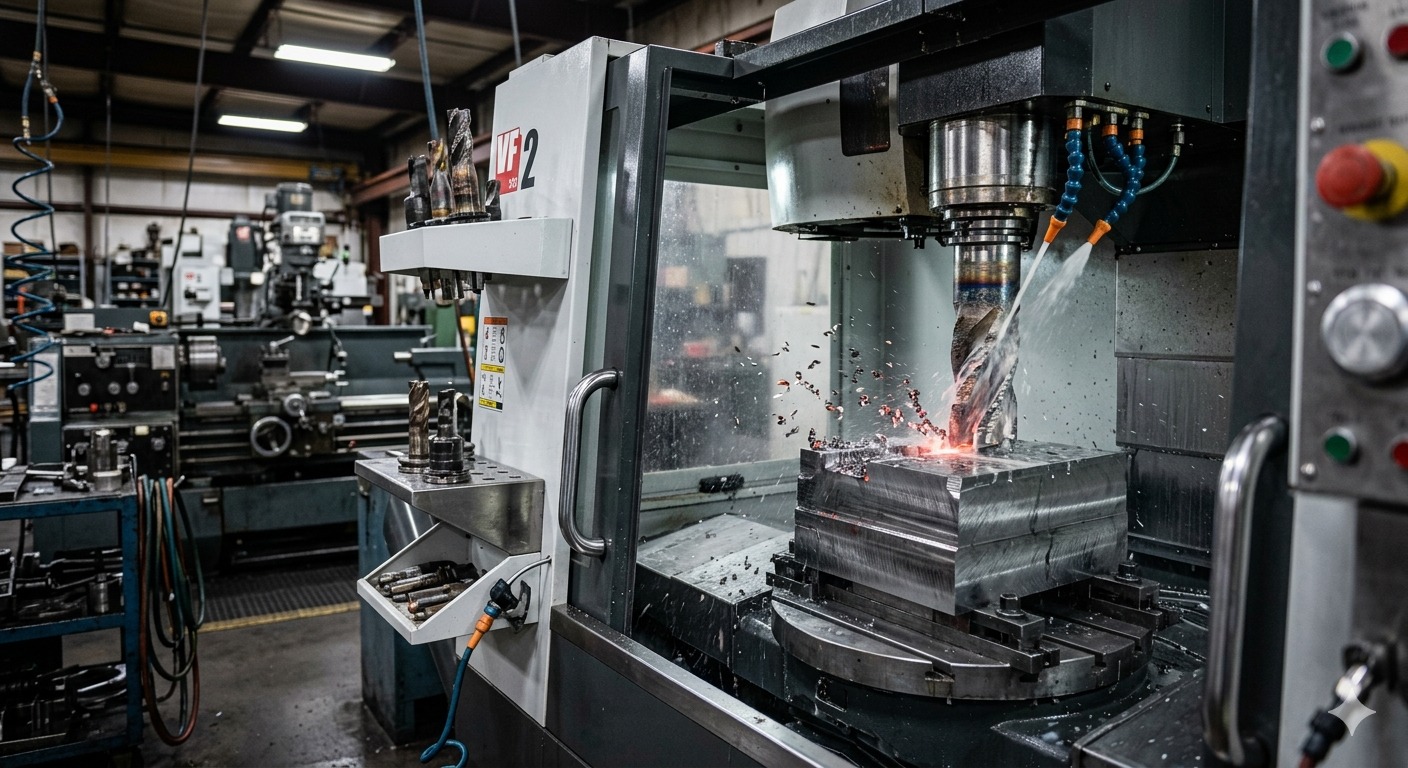
One of the most important factors determining quality in metal forming and sheet processing is the cutting clearance choice in cutting dies. This controlled gap left between the die and punch directly affects the dimensional precision of the part, surface quality, tool life, and production costs. Especially for companies engaged in mass production, determining the correct die cutting clearance both increases operation efficiency and reduces defective production.
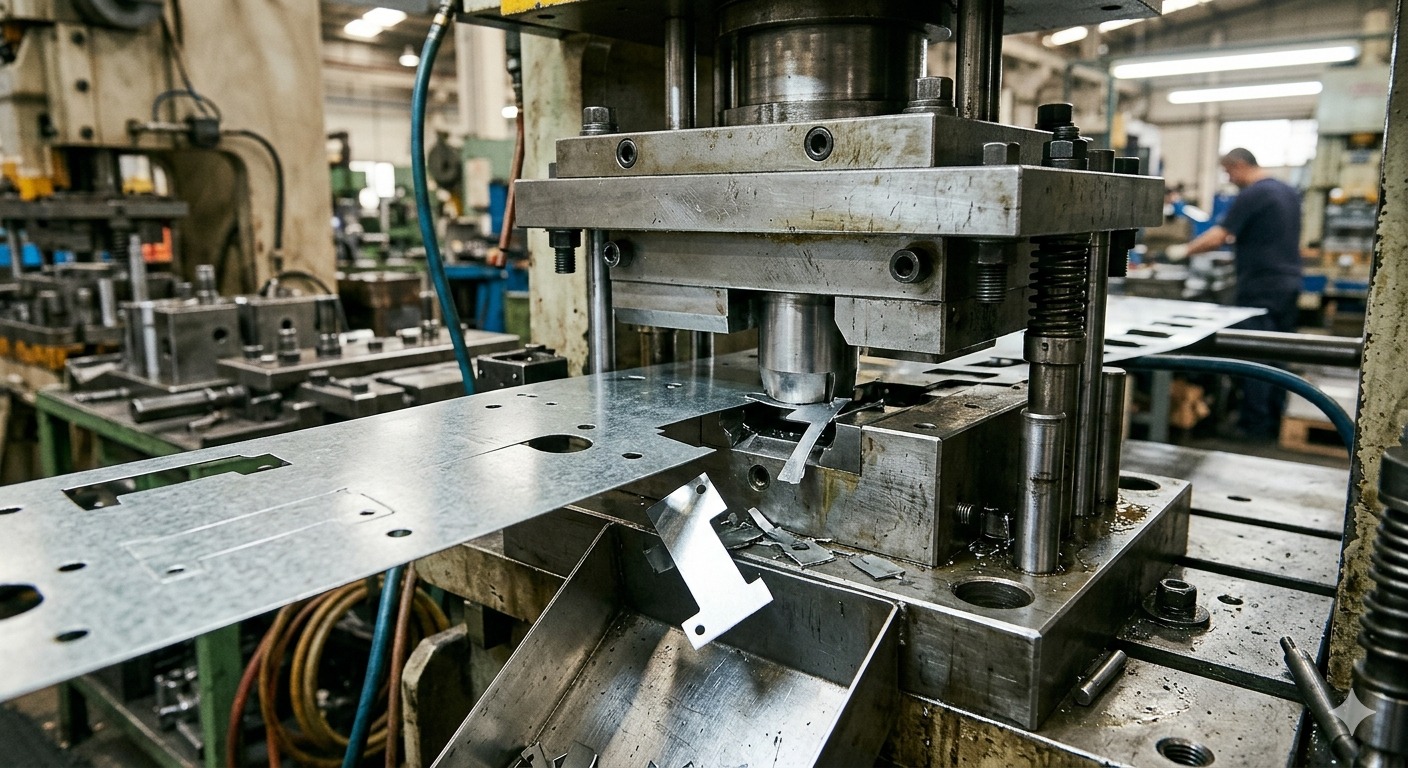
An incorrectly determined cutting clearance; can cause very serious problems such as deformation, burr formation, die wear, and high scrap rate. For this reason, it is necessary to choose the ideal cutting gap that suits the thickness, type, and production tolerances of the materials used in manufacturing.
In cutting operations, the gap between the punch and die determines how the cutting force is distributed to the material. When the gap value is adjusted correctly, the cutting operation is cleaner and deformation in the part is reduced to the minimum level. This way, high cutting surface quality is obtained.
To give an example; using a very narrow clearance in steel sheet production causes the material to be squeezed excessively. This situation can lead to both fractures in the cutting surface and strain on the die. Excessive gap formation increases burr formation and distorts dimensional tolerances.
With properly determined cutting dies, the cutting clearance:
Especially in industries where precise cutting dies are used, gap tolerance is important at the micron level. In the white goods, automotive, defense industry, and electronics sectors, even a very small cutting clearance error can cause major quality problems.
When certain problems continuously repeat during the production process, the root cause may be incorrect cutting clearance. While many companies might think the cause of the problem is the material or press system; in most cases, the problem stems from incorrectly set clearance.
When you experience the problems listed below, you should check your die cutting clearance values. Based on this:
Particularly in materials like stainless steel, incorrect clearance choice can cause problems very quickly. Stainless cutting clearance should be calculated differently based on standard low carbon steels. Because as the hardness of the material increases, the cutting behavior changes. For this reason, rather than using only standard values, engineering calculations specific to production conditions must be performed.
It is not correct to use the same cutting clearance for every material. Sheet thickness, surface structure, elasticity, and hardness value; are determining factors during clearance selection. In general, the ideal cutting gap is calculated as a certain percentage of the material's thickness. However, this ratio mentioned changes depending on the material used. Based on this:
Low carbon steels: Standard steel sheet cutting clearance is generally preferred between 5% to 10% of sheet thickness. This range both protects tool life and provides clean cutting,
Stainless steels: Because stainless materials show higher strength, they may require wider clearance. If incorrect stainless cutting clearance is chosen, tool breakage and intense burr problems can be experienced,
Aluminum and soft metals: In soft materials, a much narrower clearance is preferred. This way, edge deformation is reduced and precise dimensional control is protected,
Thick sheet applications: In thick sheet cutting, the clearance ratio is increased to balance press load. Otherwise, tool wear progresses more rapidly. In correct clearance calculation, not only theoretical data but also part tolerance and production speed should be considered. For this reason, precise cutting dies developed with professional engineering support bring significant long-term cost advantages.
Cutting clearance calculation in cutting dies is not just technical knowledge but also requires production experience. Especially in manufacturing requiring high precision, the correct engineering approach directly affects quality. At this point, Kahraman Kalıp providing production-specific solutions; stands out with die design suitable for the needs of different sectors. At this point, our company performs optimal die and punch gap calculations according to production volume, material type, and tolerance expectations, providing a highly efficient production process.
Precisely cut dies developed with modern production infrastructure and engineering experience; provide longer tool life, lower scrap rate, and high cutting quality. Especially for companies performing mass production, creating the correct die design reduces costs and provides production continuity.
Small optimizations made in cutting processes provide great production ease in the long run. Especially in companies where high-quantity production is involved, the correct ideal cutting gap reduces tool maintenance costs, increases production efficiency, and reduces downtime. Along with this, obtaining quality cutting surfaces ensures that subsequent operations progress more rapidly. Problems that may occur in welding, assembly, or bending operations are prevented.
Another important issue is press and energy performance. Press systems may operate under greater load than necessary due to incorrect cutting clearance. This situation both negatively affects equipment life and increases energy consumption. In systems working with correct gap values, a much more balanced force distribution is provided. Today, in a competitive manufacturing approach, fast production alone may not be sufficient. At the same time, sustainable quality and minimum error rate are of great importance. For this reason, having cutting die cutting clearance calculations performed with expert engineering support is an important investment advantage for companies. Especially in sectors with precise tolerance requirements, correct clearance adjustment has become one of the key indicators of production quality.
As a result, choosing the correct die cutting clearance is extremely important not only for quality part production but also for sustainable production costs. When you experience problems such as deformation, burring, or rapid tool wear on your production line, it is time to re-evaluate the current cutting clearance values.
Kahraman Kalıp; is among the most reliable brands in high-precision die manufacturing with the innovative solutions it has developed for the metal processing sector. Our company aims to improve manufacturing quality by designing high-precision cutting dies suitable for the white goods, automotive, defense industry, and industrial manufacturing sectors. Thanks to modern production technologies and experienced engineering teams, cutting die clearance calculations specific to each project are performed. Thus, longer tool life, low scrap rate, and high cutting surface quality are achieved. Kahraman Kalıp continues to provide professional manufacturing support for companies seeking durable, quality, and efficient die solutions.